
Schools and training programs don’t always have the luxury of time. Enrollment shifts, staffing changes, and campus renovations can create immediate space needs.
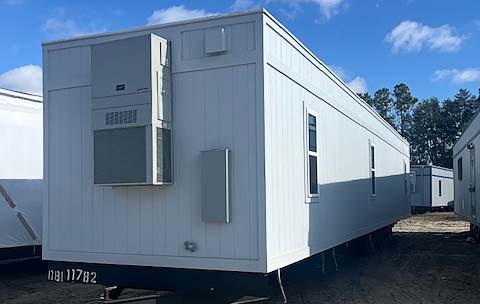
Modular classrooms are a practical way to add instructional space quickly while maintaining safety, comfort, and code compliance. Whether you need swing space during construction or long-term capacity for growth, modular buildings can help you stay on schedule.
When modular classrooms make the most sense
Modular classrooms are commonly used for:
- Enrollment growth that outpaces permanent building timelines
- Renovations and campus upgrades that require temporary swing space
- Program expansion (career and technical education, testing centers, admin space, tutoring)
- Storm recovery and continuity planning when facilities are disrupted
- New campuses or additions where speed and budget predictability matter
The key advantage is speed: factory-built modules can be planned and deployed far faster than traditional construction.
What to plan early (to avoid delays)
The fastest deployments happen when a few decisions are made upfront:
- Student capacity and schedule: How many students per period/day?
- Room type: Standard classroom, lab, admin, testing, or multi-purpose?
- Site logistics: Access routes, staging, crane/set requirements, and campus traffic patterns
- Utilities: Power, data/IT needs, water/sewer (if restrooms are included)
- Accessibility and life safety: ADA requirements, egress, alarms, and local code considerations
- Timeline: Target occupancy date and any academic calendar constraints
Early planning helps prevent redesigns and keeps approvals and installation moving.
Comfort and functionality matter
Modern modular classrooms can be configured to support day-to-day learning needs, including:
- Comfortable HVAC and ventilation
- Durable finishes for high-traffic use
- Daylighting and acoustics (where applicable)
- Storage and teacher work areas
- Technology readiness (power, data, and device charging)
Lease vs. Purchase: which approach is best for schools?
Many education clients choose leasing because it:
- Avoids large upfront capital outlays
- Aligns costs with the duration of the need (semester, school year, multi-year)
- Supports scaling up/down as enrollment changes
- Simplifies what happens after the need ends (no storage or redeployment burden)
Purchasing can make sense for long-term, repeat use across multiple campuses, especially if you have a plan for maintenance and redeployment.
Common use cases where leasing saves the most time
- Workforce housing for remote or fast-ramp job sites
- Construction and industrial offices and support buildings
- Education swing space during renovations or enrollment growth
- Emergency response and disaster recovery operations
- Government and public sector temporary or long-term facilities
What to prepare to move fast
To accelerate deployment, it helps to have:
– Project location and desired in-service date
– Intended use (office, classroom, workforce housing etc.)
– Estimated occupancy and key layout needs
– Site constraints (access, utilities, permitting)
Why turnkey delivery reduces campus disruption
A modular classroom project includes more than the building. A turnkey approach helps coordinate:
- Site layout planning and scheduling around campus operations
- Delivery and set
- Utility connections and accessibility components
- Coordination with contractors and local requirements
The goal is simple: a classroom that’s ready for instruction – View our live inventory
Contact Us
If you need classroom space quickly, modular classrooms are a proven option for schools without sacrificing comfort, safety, or quality.
Tell us your student capacity, timeline, and location and we’ll help you evaluate layouts, leasing options, and available inventory.
Get in Touch with Us
Contact Carter Leasing
For any inquiries about our modular buildings, please reach out to us. Our team is ready to assist you with any questions you may have. Or request a quote below.
Contact Email: sales@carterleasingsolutions.com
Contact Phone: 800-791-4550