
When teams evaluate modular buildings, they often focus on the unit price, but total project cost is driven by several moving parts: site conditions, setup requirements, utilities, compliance, and how the building is procured (lease vs. purchase).
This article outlines the most common cost drivers in modular building projects, what you can control early, and how to budget with fewer surprises.
1) Building type, size, and configuration
Costs vary based on:
- Square footage and number of modules
- Single-wide vs. multi-unit complexes
- Intended use (office, classroom, workforce housing, public sector)
- Interior layout (private offices vs. open plan; restrooms; kitchens; showers)
Budget tip: define occupancy and functional needs first; then match a proven layout instead of over-customizing.
2) New build vs. available inventory
A custom build can add lead time and design/engineering costs. Ready-to-lease inventory can reduce schedule risk and sometimes simplify planning.
Budget tip: if timeline is tight, ask what’s available now and what modifications (if any) are required.
3) Site work and foundations
Site work is often the biggest swing factor. It can include:
- Clearing/grading
- Foundations or piers
- Anchoring/tie-downs
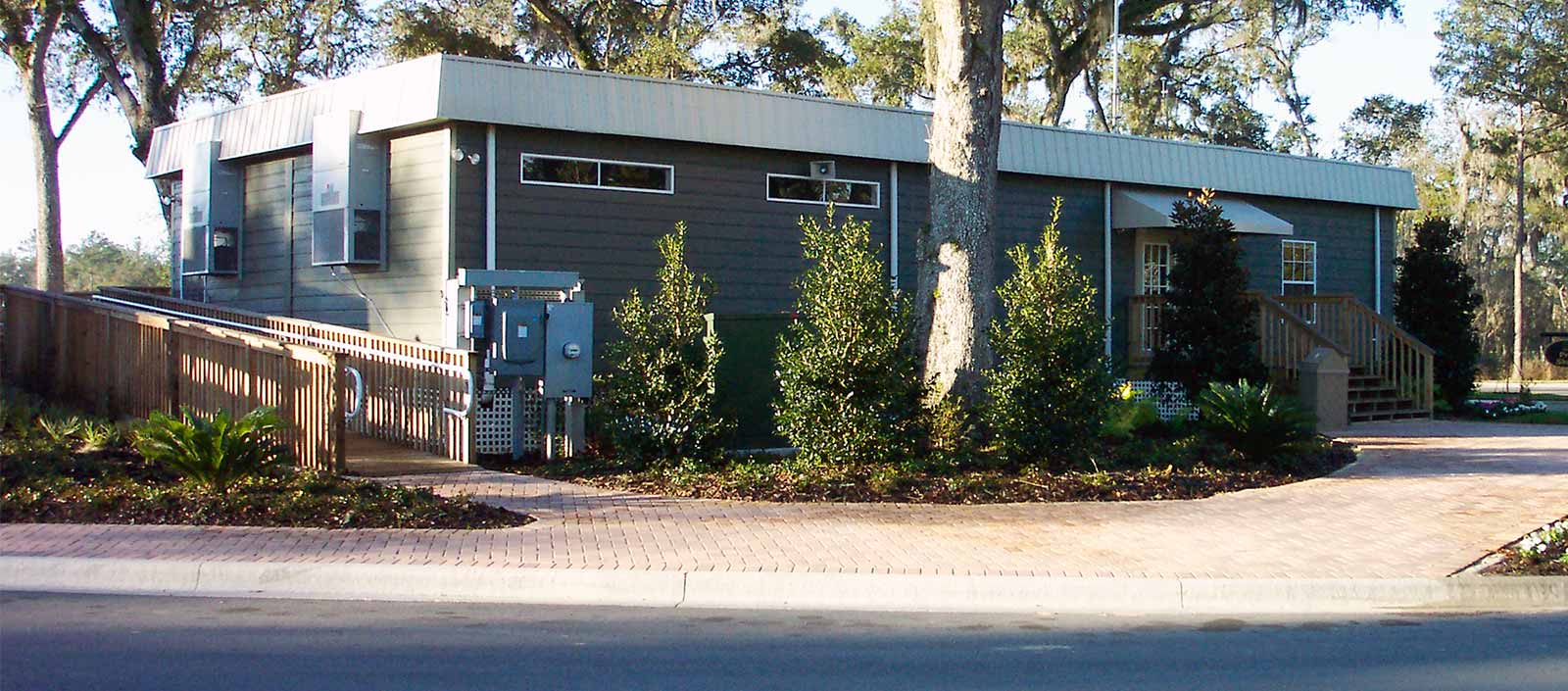
- Walkways, stairs, ramps
- Drainage and stormwater considerations
Budget tip: get early input on site conditions and access; surprises here can move budgets quickly.
4) Delivery, craning, and installation
Transportation and setup depend on:
- Distance to site
- Site access and turning radius
- Crane requirements
- Multi-module setting complexity
Budget tip: confirm delivery access early and plan staging space.
5) Utilities and connections
Utility scope can include:
- Electrical service and panels
- Water and sewer/septic tie-ins
- HVAC requirements
- Data/communications
Budget tip: utilities can drive both cost and schedule. Coordinate providers and inspection sequencing early.
6) Permitting, engineering, and compliance
Depending on jurisdiction and use, you may need:
- Engineered foundations/anchoring
- Site plan approvals
- Accessibility (ADA) upgrades
- Fire/life safety systems
Budget tip: treat compliance as a front-end planning item, not a last-minute add-on.
7) Interior finishes, options, and durability requirements
Finishes and options can change costs:
- Flooring and wall finishes
- Casework and built-ins
- Restroom/kitchen fixtures
- Security, access control, and life-safety add-ons
Budget tip: choose finishes based on use case (jobsite vs. public-facing) to avoid paying for the wrong spec.
8) Lease vs. purchase structure (and total cost of ownership)
Leasing can preserve capital and align payments with project duration. Purchasing may make sense for long-term ownership goals, but it can require larger upfront capital and longer procurement cycles.
Budget tip: evaluate your timeline, duration of need, and flexibility requirements, then compare options apples-to-apples.
A simple budgeting worksheet (what to gather)
- Site address and access notes
- Intended use and occupancy
- Target in-service date
- Utility availability (power/water/sewer/data)
- Preferred layout (or examples)
- Duration of need (months/years)
FAQs
- What is the biggest hidden cost in modular projects? Site work and utilities are often the biggest variables, especially if conditions aren’t confirmed early.
- Does leasing include delivery and setup? It can. Scope varies by project, so its important to confirm whats included (delivery, setup, utility connections, stairs/ramps, etc.).
- How can I get a budget number quickly? Start with the site address, intended use, size needs, and timeline. With those inputs, a leasing partner can narrow options and identify major cost drivers.
Contact Us
If you’re budgeting a modular building project and want a clearer picture of total cost, Carter Leasing Solutions can help you evaluate options, identify the major cost drivers, and build a plan that fits your timeline.
Request a quote with your location, use case, and target date and we will help you move forward with fewer surprises.